Farms
Our Farms
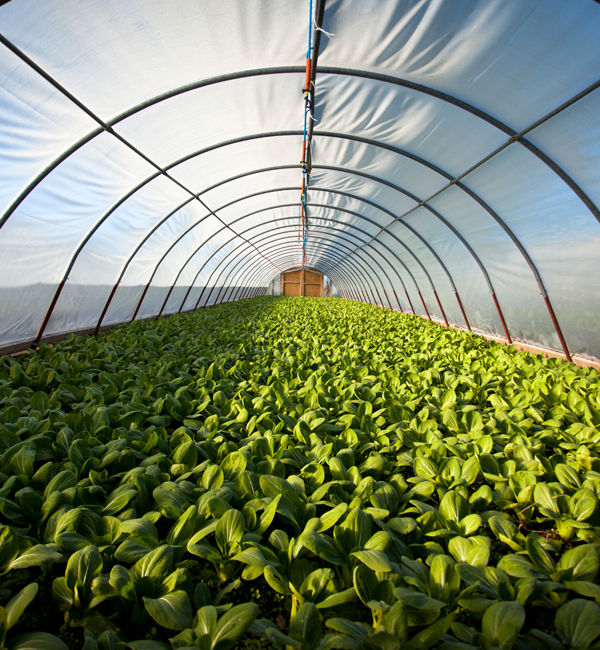
Our farms are nestled in the heart of South-Central Pennsylvania, where we are dedicated to preserving farmland and ensuring that agriculture remains a cornerstone of the local economy. We strive to create an environment where farmers can continue to earn a sustainable living while championing our vision for healthy soil, a healthy planet, and healthy people. By fostering these values, we aim to contribute to a thriving, resilient agricultural community for generations to come.
Our forestry management program ensures thriving and resilient ecosystems by promoting biodiversity through the removal of invasive species and the planting of diverse native trees. These sustainable practices not only maintain long-term forest health but also emphasize the critical role forests and wetlands play as natural buffers, protecting farmland from erosion and improving water quality.
Agroforestry
Why Agroforestry
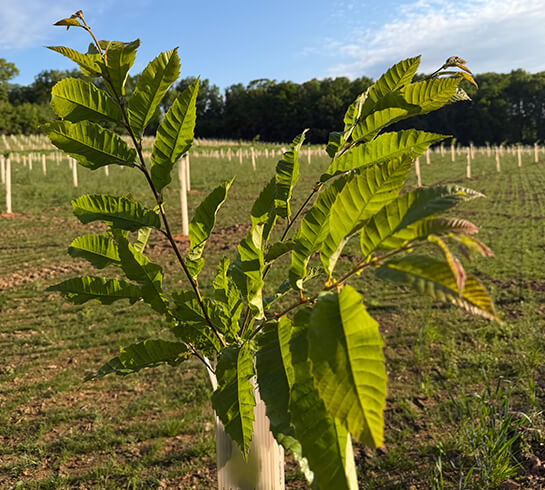
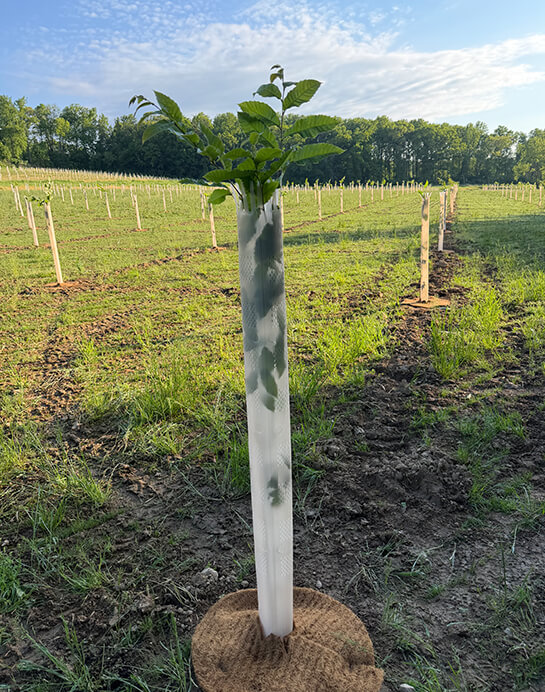
Agroforestry is the integration of trees into farming systems on purpose.
- New revenue streams. Chestnuts, black locust lumber, hickory—these are real crops with real markets that generate income from acreage that’s otherwise underperforming or sitting idle.
- Carbon and soil building. Agroforestry systems sequester 2–4 metric tons of carbon per acre per year. Soils under tree-crop systems show 20–30% higher soil organic carbon than annual cropping systems.
- Microclimate and water benefits. Tree rows reduce wind, moderate temperature swings, and improve water-use efficiency for adjacent crops. Trees filter runoff (sediment, nitrogen and phosphorus) and protect the Chesapeake Bay watershed.
- Long-term farm viability. A 30-year tree-crop system transforms the economics of the farm. Diversified income buffers against commodity price swings and weather losses.
Why They Work Better Together
At Warehime Farm, some of the fields are too steep for the shallow tillage required for row-crop organic conversion. Agroforestry solves that—those fields become organic chestnut production with permanent ground cover or timber-focused alleys instead. That’s the kind of practical synergy that matters.
More broadly:
- Trees attract beneficial insects and birds that provide natural pest control—the single biggest challenge in organic farming without synthetics.
- Leaf litter and root cycling from trees continuously build organic matter, supplementing the compost and cover crop systems organic certification requires.
- Diverse tree canopy supports pollinators that directly improve yields on organic crops.
- Tree root networks stabilize topsoil and capture nutrients—protecting the organic farmer’s most valuable asset.
- Organic certification plus sustainably produced tree crops lets the farm access multiple premium markets from the same acreage.
Organics and agroforestry are effective because they prioritize fundamental ecological principles: healthier soil leads to better crops and diversified systems enhance farm resilience.
Our Model
Our farm acquisition model begins with property owners reaching out to express interest in selling a family farm. We conduct a valuation to establish a fair market price, make an offer, and finalize terms with the owner. After signing a letter of intent, we complete due diligence and set a settlement date. Following the purchase, we often enroll the farm in the Clean and Green program and partner with farmers to transition the land to organic regenerative practices, supporting sustainable agriculture and environmental stewardship.
We collaborate with farming partners through long-term leases that share the costs of doing business and include a profit-sharing mechanism, ensuring mutual growth and success.
Farm With Us
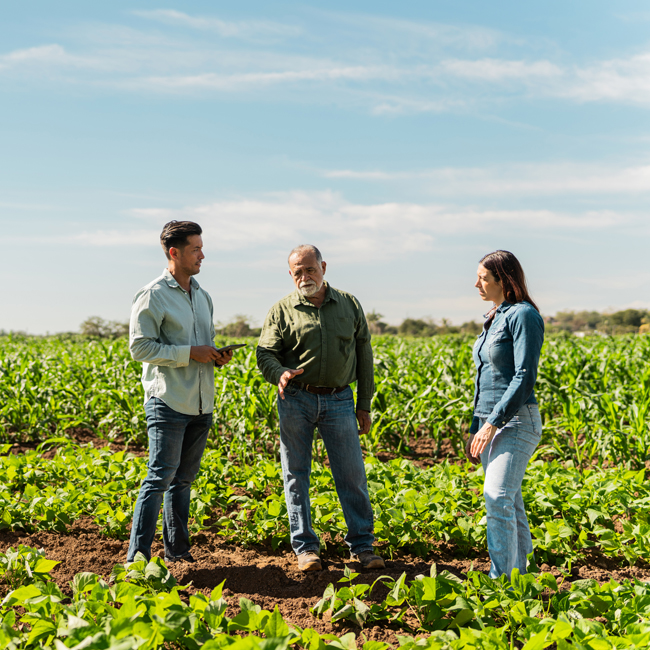
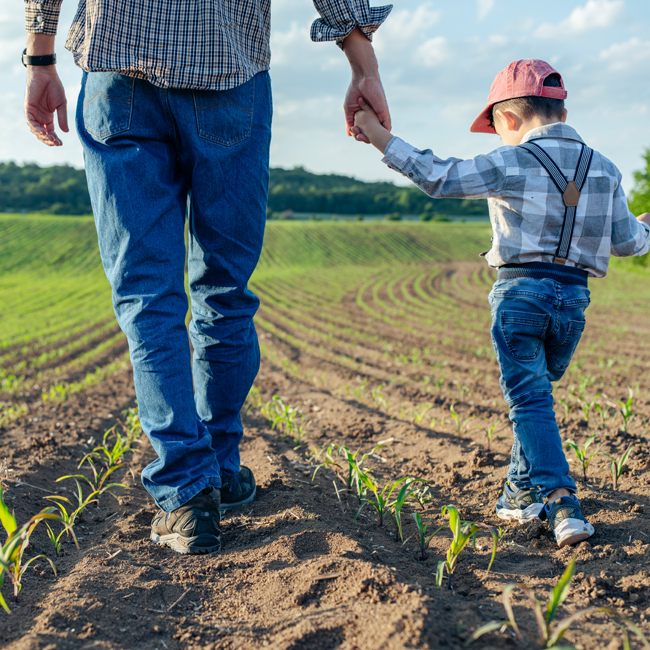
Are you passionate about farming and experienced in organic regenerative agriculture? We’re always looking for dedicated individuals to join us in our mission to preserve farmland and promote sustainable practices.
If you’re interested in farming with us, we’d love to hear from you! Reach out at [email protected] to start the conversation. Together, we can cultivate healthy soil, a healthy planet, and a thriving agricultural community.
Together, We Can Grow a Better Future